
Back in Ja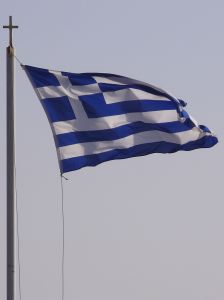 nuary, I wrote a piece about Bitcoin for The Atlantic’s online business section, which, to my surprise, generated a fair amount of buzz on the story’s comment section, as well as on Twitter and Reddit. My own Twitter account, small as it as (ahem, follow me!), gained me a few Bitcoin enthusiasts as followers, reinforcing that I actually needed to make use of my own handle for my journalism endeavors, which had ground to a halt for a time.
Anyway, the crux of the piece debated the potential pros and cons of the cryptocurrency being utilized by more African-Americans. Make no mistake, the economic realities of Greeks can’t begin to equate to those of blacks, on the whole, throughout their history in the States. And such hardships can’t approach levels traditionally faced by developing world nations of the African diaspora – even if Greece joined the likes of Sudan, Somalia, and Zimbabwe in missing their IMF payments. But it’s interesting to read about the possible pros and cons of Bitcoins in a developed nation currently in economic peril, and whether cryptocurrencies – which some proponents believe are useful in distressed localities – are some kind of panacea for Greece, whose financial security seems to be closer to that of the disinvested swaths of Chicago’s South Side, rather than mirroring its economically prosperous euro-block brethren.
At the time of this writing, it’s down to the wire for a deal to happen between Greece and its creditors. But absent a deal, which sets the stage for a Greek exit from the euro, might this be the global test case that Bitcoin champs are looking for? It’s one thing when a country like Zimbabwe effectively ceases its currency, and citizens are turning to Bitcoins as a means of financial transaction. It may be another thing if residents of one of the world’s top 50 economies start believing their own currency – one of the world’s most powerful – is irrelevant to their needs. And maybe it also says something about the faith (or lack thereof) some Greeks may have in the currency of their future – the drachma – which ironically is the currency of their distant past.
A good start in learning more about this debate comes from a recent piece published on Fortune’s online site. And a further breakdown of the Greek/Zimbabwe/Sudan/Somalia comparison can be found in an insightful article on Quartz:
Fortune – http://fortune.com/2015/07/10/greece-bitcoin-bitchain/
Quartz – http://qz.com/442139/greece-just-joined-somalia-sudan-and-zimbabwe-in-defaulting-on-the-imf/


Reblogged this on Kyle Coward.
LikeLike